


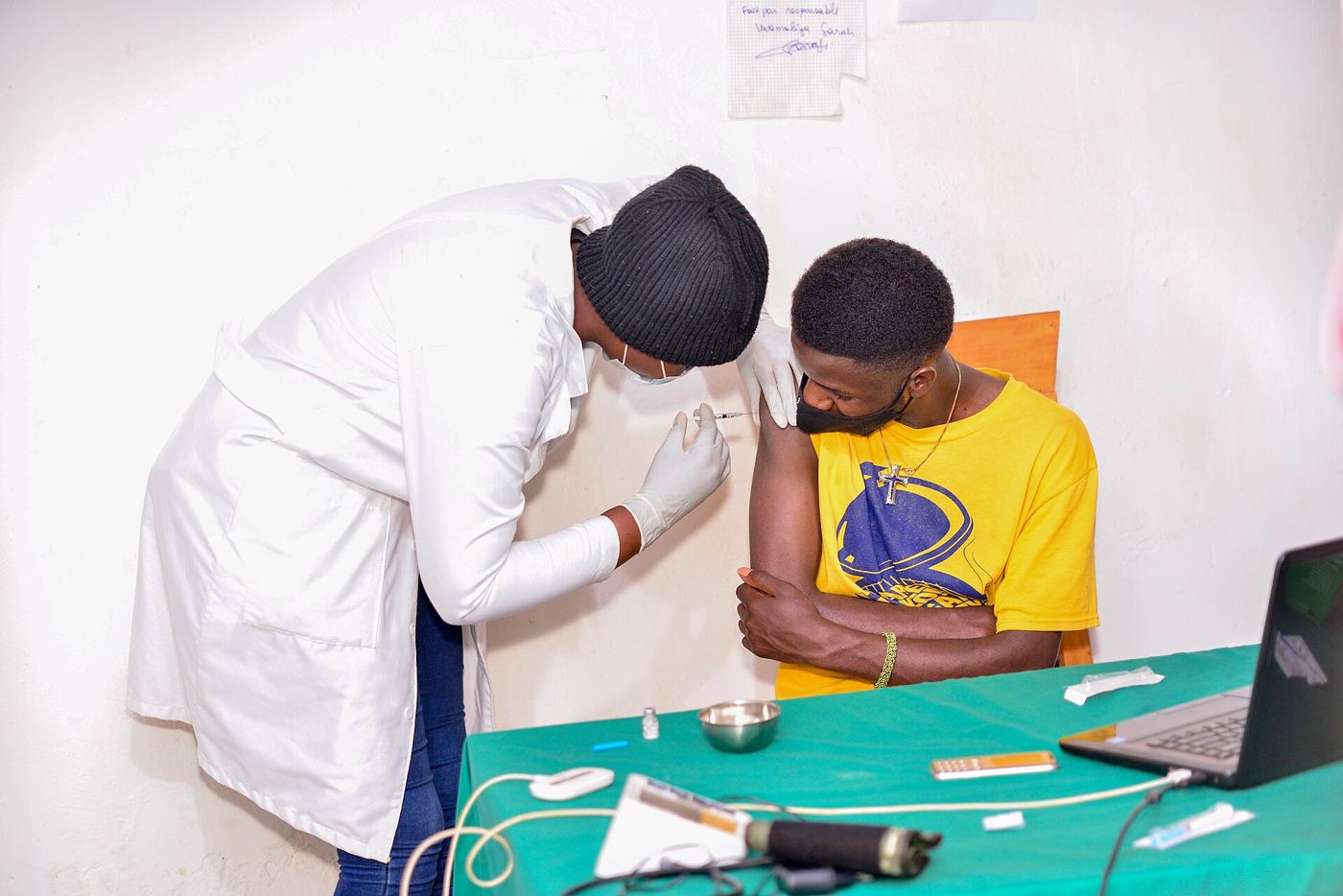
Respiratory syncytial virus, or RSV, is a familiar winter illness that most people know as a bad cold. For babies and older adults it can be far worse, filling hospital wards every winter with pneumonia and breathing failure. Until 2023 there was no vaccine at all, despite decades of research. That changed in May 2023, when the United States Food and Drug Administration approved the first two RSV vaccines for older adults, Arexvy from GSK and Abrysvo from Pfizer, followed by Moderna’s mResvia in May 2024. The vaccines are recommended as a single dose for all adults aged 75 and older, and for adults aged 50 to 74 who are at increased risk of severe disease. Abrysvo is also given during pregnancy, between 32 and 36 weeks, so that antibodies pass to the baby and protect it in its first months of life.
What the Evidence Shows
The impact has been rapid. The United States Centers for Disease Control and Prevention estimates RSV causes 110,000 to 180,000 hospitalisations each year among American adults aged 50 and older, and experts estimate the vaccine could prevent up to a quarter of those. For babies, the protection is even greater: alongside a long-acting antibody treatment called nirsevimab, given directly to infants, immunisation could prevent up to three quarters of infant RSV hospitalisations. The vaccines work by targeting the virus’s fusion protein, the part it uses to enter human cells, a design that took decades to perfect after an early failed vaccine in the 1960s set research back. The challenge now is uptake: many eligible adults still do not know the vaccine exists, and health services must reach them before each winter season arrives. Reporting and analysis from sources such as Nature track the same developments, and specialists following RSV vaccines say the direction is now consistent across independent lines of evidence.
The Wider Context
The wider context is a research landscape in which replication and open data now decide reputations. Findings connected to RSV vaccines are being checked by independent groups with shared datasets, and the teams involved publish their methods in full so rivals can test every step. That discipline is slower than a headline cycle, but it is why results in this area increasingly survive first contact with scrutiny.
What Happens Next
What happens next in the story of RSV vaccines will be decided by follow-up work already under way: larger samples, longer observation and instruments that have not yet come online. The researchers involved are unusually united on one point, that the current results justify the next investment of time and money. Readers will not have to wait long for the first tests of that claim. You can follow related developments in our coverage of science.
None of this will be settled by a single announcement, study or product launch. The pattern to watch is accumulation: independent confirmations, honest reporting of failures and steady improvement in the underlying numbers. Readers who follow those signals, rather than the loudest claim of the week, will understand this subject better than most of the commentary surrounding it suggests is possible.
