


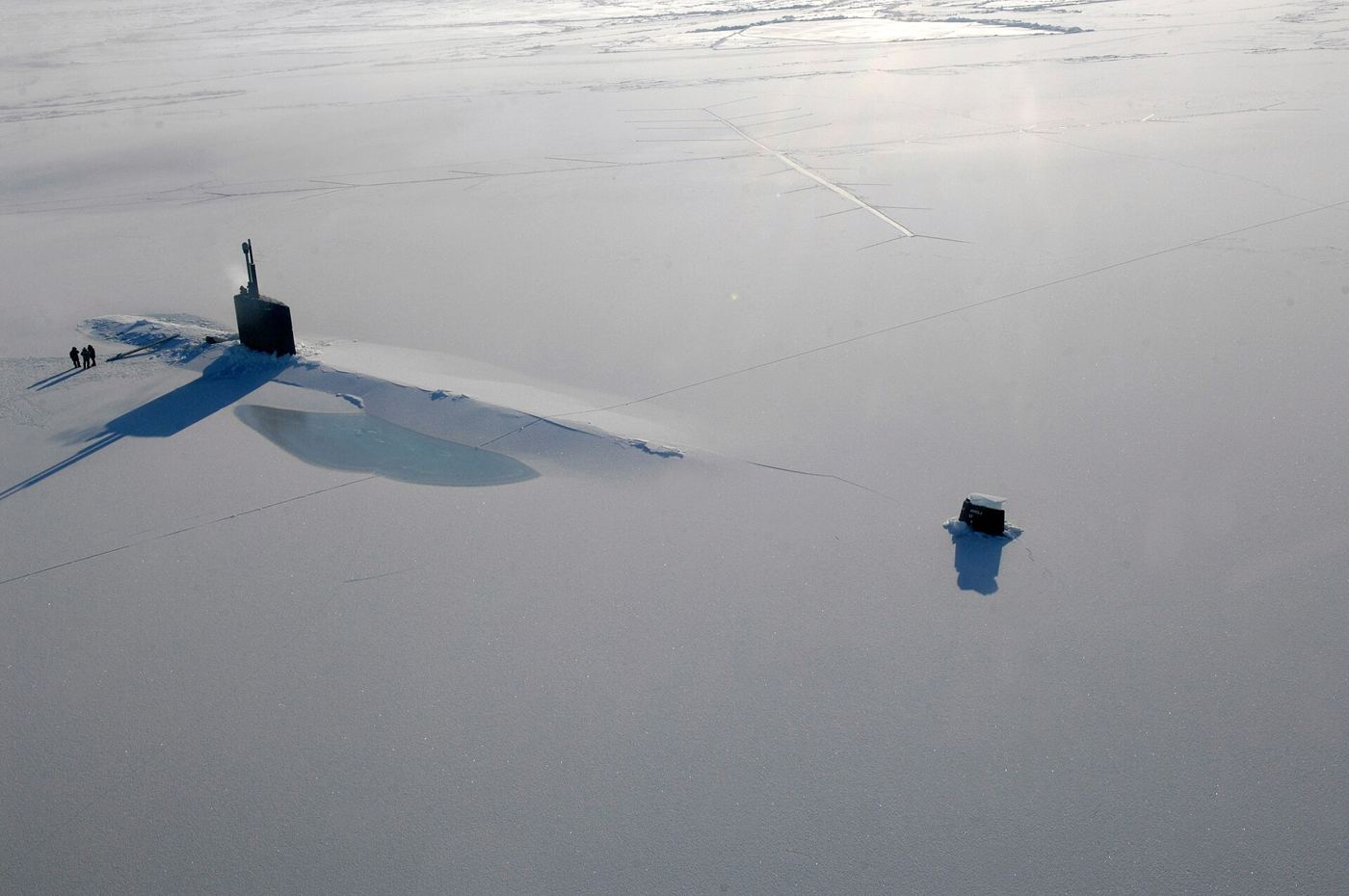
Algae growing on the underside of Arctic sea ice are emerging as a crucial foundation of the polar food web, and new research suggests their spring blooms begin earlier and matter more than scientists previously thought. As sunlight returns after the polar night, algae colonise the lower surface of the ice, feeding tiny crustaceans that in turn sustain fish, seals and whales. Field teams drilling through the ice have found that even thin, snow-covered floes can host surprisingly productive blooms, provided enough light filters through. The timing of those blooms appears closely tied to snow depth and ice thickness, both of which are shifting as the Arctic warms. If blooms start too early or the ice melts too quickly, the algae may sink before grazers are ready to feed, breaking a seasonal match that marine life depends on. Researchers are therefore mapping under-ice production alongside the better-known open-water blooms that follow ice retreat, to understand the full Arctic growing season.
What the Evidence Shows
The challenge is measuring life in one of the hardest environments on Earth to sample, where ice conditions change quickly and research access is limited. Specialists following Arctic under-ice algae say that autonomous floats, ice-tethered sensors and remotely operated vehicles are now filling gaps between ship visits, recording light, nutrients and algal growth through the season. Those data are helping models predict how a thinner, more seasonal ice cover will change the base of the food web, not just its top predators. There are also implications for carbon storage, since algae that sink unused can carry carbon to the deep ocean. Scientists stress that a longer open-water season does not automatically mean a more productive Arctic, because the loss of ice-based habitat removes a food source that many species evolved to rely on. Protecting that hidden system starts with recognising that it exists. Reporting and analysis from sources such as National Science Foundation track the same developments, and specialists following Arctic under-ice algae say the direction is now consistent across independent lines of evidence.
The Wider Context
The wider context is a research landscape in which replication and open data now decide reputations. Findings connected to Arctic under-ice algae are being checked by independent groups with shared datasets, and the teams involved publish their methods in full so rivals can test every step. That discipline is slower than a headline cycle, but it is why results in this area increasingly survive first contact with scrutiny.
What Happens Next
What happens next in the story of Arctic under-ice algae will be decided by follow-up work already under way: larger samples, longer observation and instruments that have not yet come online. The researchers involved are unusually united on one point, that the current results justify the next investment of time and money. Readers will not have to wait long for the first tests of that claim. You can follow related developments in our coverage of science.
There is a practical lesson in all of this for readers deciding what to do today. Start with the verified facts, be wary of anyone promising certainty, and prefer reversible steps while the evidence is still developing. Circumstances differ by country, income and personal situation, so general guidance should always be weighed against your own context before you act on it in any significant or lasting way.
