


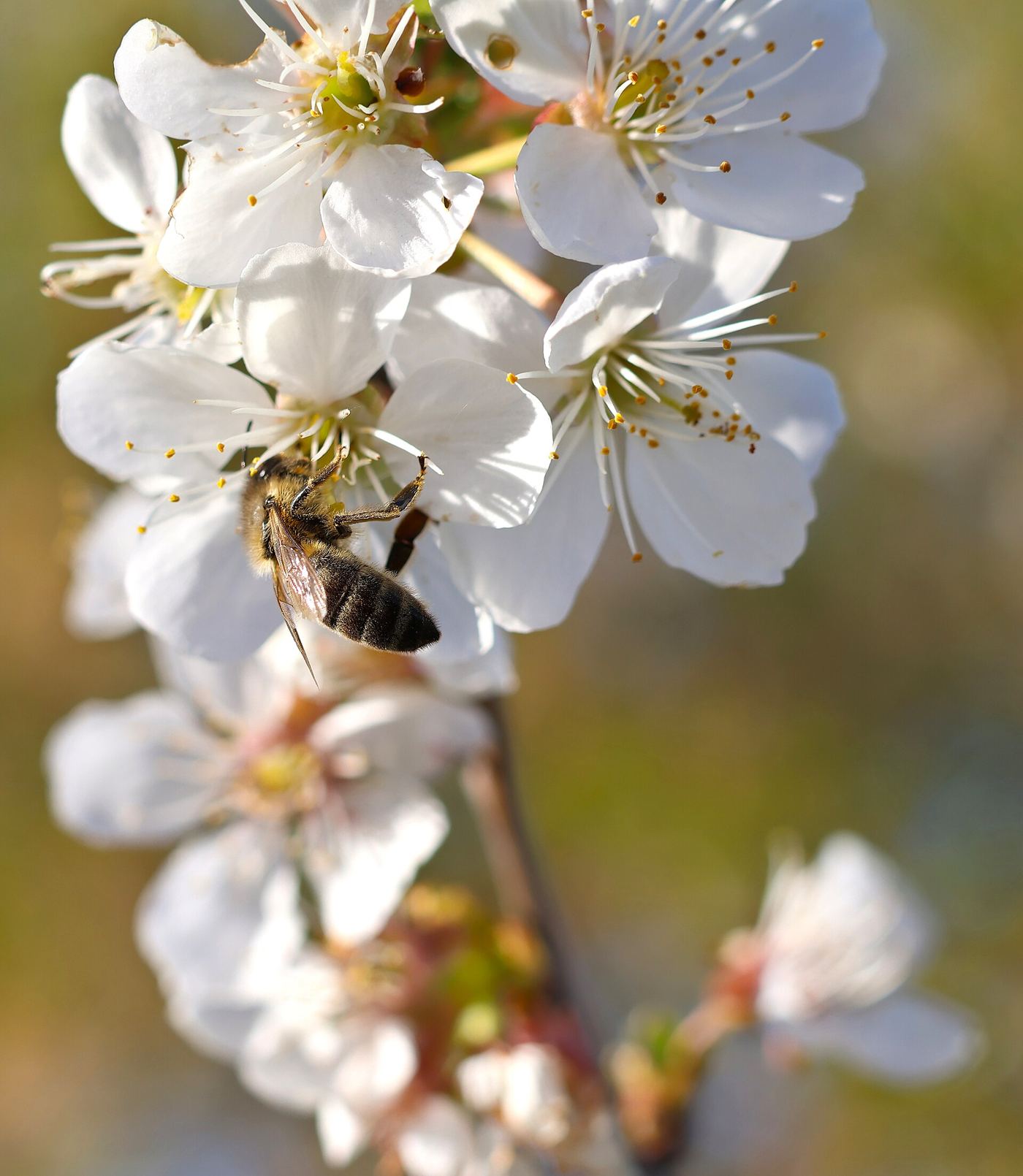
A honeybee colony is only as healthy as the landscape it can reach, and beekeepers have noticed for years that hives placed near varied, flower-rich ground often come through the season stronger than hives surrounded by a single crop. Controlled studies are now putting firm numbers behind that observation. When researchers compared colonies foraging mainly on one mass-flowering crop with colonies given access to diverse wildflower mixes, the differences showed up in brood rearing, winter survival and the bees own immune responses. The reason appears to be nutritional. Pollen from different plants carries different proteins, fats and micronutrients, rather like the difference between eating one food all month and eating a varied diet. A mixed menu also spreads risk across the season, because when one species finishes flowering another takes over, keeping food coming in during gaps that can otherwise starve a colony just as it is building numbers. Even the bees gut microbes seem to benefit from variety, and those microbes in turn help bees process food and resist some of the diseases and parasites that trouble modern beekeeping operations everywhere.
What the Evidence Shows
The findings are encouraging farmers and land managers to treat flower strips as working infrastructure rather than decoration, planting mixes along field edges, road verges and solar farms where land is already managed. Trials that mowed strips in rotation, so something was always in bloom, produced the steadiest supply of forage and the strongest colonies by autumn. Researchers are also testing which seed mixes suit different soils and climates, since a blend that thrives on chalk may fail on wet clay, and imported wildflower seed can accidentally introduce plants that local insects do not use. Importantly, the benefits were not limited to managed honeybees: surveys in the same fields recorded more wild bumblebees, hoverflies and solitary bees where diverse flowers were present, suggesting habitat that helps hives can help wild pollinators too. Scientists caution that flowers alone cannot offset every pressure bees face, from parasites to pesticide exposure, and they continue to study how these factors interact. Reporting and analysis from sources such as National Science Foundation track the same developments, and specialists following the wildflower-rich bee habitat say the direction is now consistent across independent lines of evidence.
The Wider Context
The wider context is a research landscape in which replication and open data now decide reputations. Findings connected to the wildflower-rich bee habitat are being checked by independent groups with shared datasets, and the teams involved publish their methods in full so rivals can test every step. That discipline is slower than a headline cycle, but it is why results in this area increasingly survive first contact with scrutiny.
What Happens Next
What happens next in the story of the wildflower-rich bee habitat will be decided by follow-up work already under way: larger samples, longer observation and instruments that have not yet come online. The researchers involved are unusually united on one point, that the current results justify the next investment of time and money. Readers will not have to wait long for the first tests of that claim. You can follow related developments in our coverage of science.
There is a practical lesson in all of this for readers deciding what to do today. Start with the verified facts, be wary of anyone promising certainty, and prefer reversible steps while the evidence is still developing. Circumstances differ by country, income and personal situation, so general guidance should always be weighed against your own context before you act on it in any significant or lasting way.
