

Close Menu
JournalBuzzJournalBuzz
    What's Hot

    Light Sails May Slow Down Near the Speed of Light

    November 24, 2026

    An Engineered Bacterium Turns Plant Waste Sugar Into Useful Lipids

    November 24, 2026

    Webb Proves a Giant Star Swallowed Its Companion in Andromeda

    November 22, 2026

    Subscribe to Updates

    Get the latest creative news from FooBar about art, design and business.

    Facebook X (Twitter) Instagram
    JournalBuzzJournalBuzz
    • Home
    • News
    • Business
    • Tech
    • Fashion
    • Health
    • Lifestyle
    JournalBuzzJournalBuzz
    Home»Blog»An Engineered Bacterium Turns Plant Waste Sugar Into Useful Lipids
    Blog

    An Engineered Bacterium Turns Plant Waste Sugar Into Useful Lipids

    Spencer KellyBy Spencer KellyNovember 24, 2026No Comments3 Mins Read0 Views
    Facebook Twitter Pinterest LinkedIn Telegram Tumblr Email
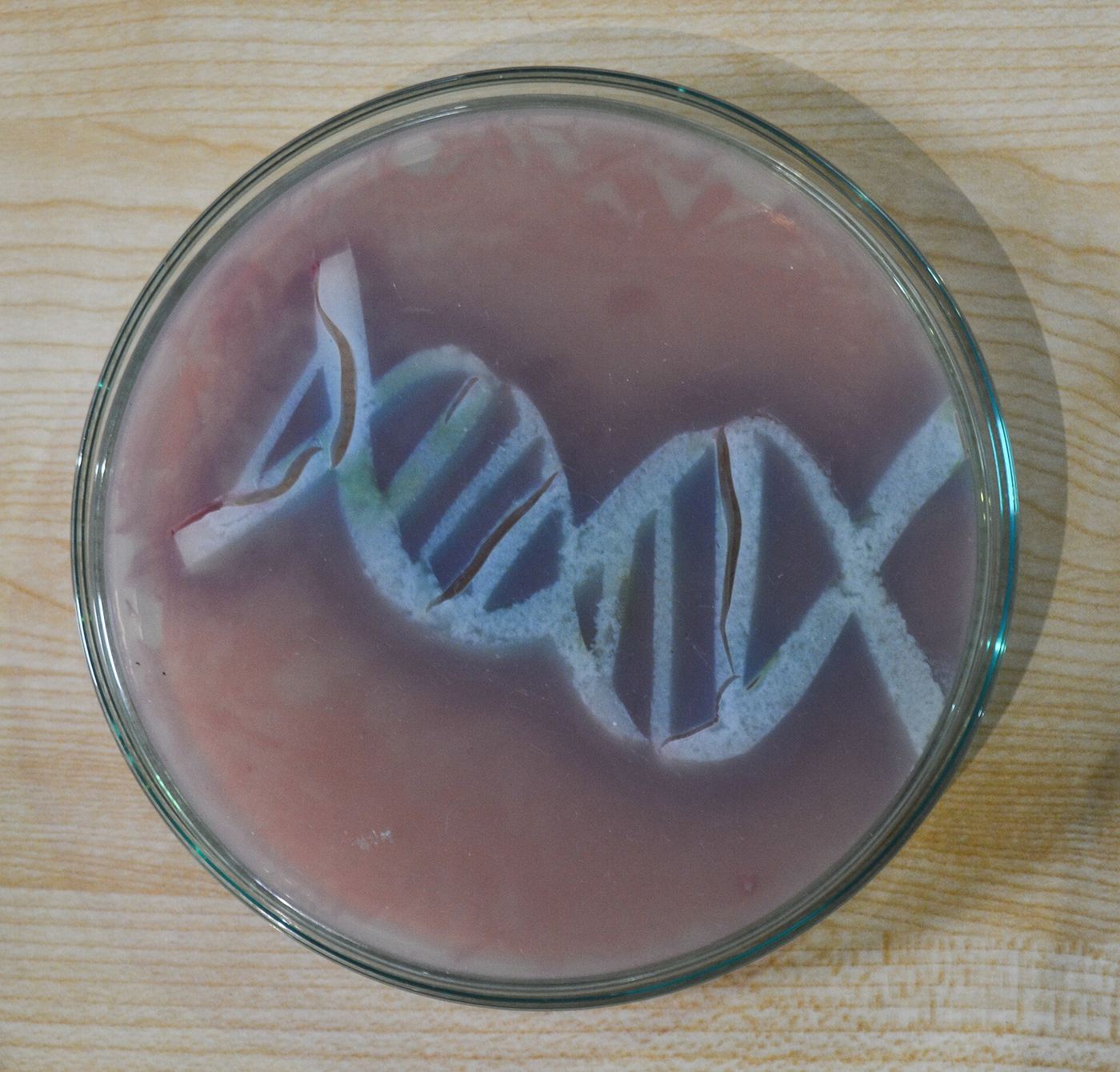
    Bacterial cultures growing in petri dishes in a laboratory.
    Share
    Facebook Twitter LinkedIn Pinterest Email

    An engineered bacterium can turn a sugar found in plant waste into useful lipids, researchers at the Chinese Academy of Sciences reported on 23 November 2026. The team reworked a bacterium so it could grow on D-xylose, a sugar abundant in plant biomass that is usually left behind when crops are processed. The microbe converts the sugar into lipids, the fatty molecules used in foods, cosmetics and fuels. During the work, the researchers found that a native enzyme was diverting some of the sugar into an unwanted byproduct, and they adjusted the strain to keep more of it on the path to lipids. The result is a step toward making valuable products from agricultural waste rather than from food crops or fossil fuels.

    What the Evidence Shows

    The approach matters because plant waste is plentiful and cheap, while the lipids industry still relies heavily on palm oil and petroleum. Using microbes to convert waste sugars into fats could cut pressure on farmland and forests, and it could give farmers a new market for crop residues. The researchers say the next challenge is raising yields and proving the process works at industrial scale. The work is part of a wider push to build a bioeconomy in which bacteria and fungi turn waste into food, materials and fuel. If the technology scales, a sugar that is now thrown away could become a raw material for everyday products. Reporting and analysis from sources such as National Science Foundation track the same developments, and specialists following the engineered bacterium that turns xylose into lipids say the direction is now consistent across independent lines of evidence.

    The Wider Context

    The wider context is a research landscape in which replication and open data now decide reputations. Findings connected to the engineered bacterium that turns xylose into lipids are being checked by independent groups with shared datasets, and the teams involved publish their methods in full so rivals can test every step. That discipline is slower than a headline cycle, but it is why results in this area increasingly survive first contact with scrutiny.

    What Happens Next

    What happens next in the story of the engineered bacterium that turns xylose into lipids will be decided by follow-up work already under way: larger samples, longer observation and instruments that have not yet come online. The researchers involved are unusually united on one point, that the current results justify the next investment of time and money. Readers will not have to wait long for the first tests of that claim. You can follow related developments in our coverage of science.

    There is a practical lesson in all of this for readers deciding what to do today. Start with the verified facts, be wary of anyone promising certainty, and prefer reversible steps while the evidence is still developing. Circumstances differ by country, income and personal situation, so general guidance should always be weighed against your own context before you act on it in any significant or lasting way.

    biotechnology lipids plant waste
    Share. Facebook Twitter Pinterest LinkedIn Tumblr Email
    Spencer Kelly

    Related Posts

    Light Sails May Slow Down Near the Speed of Light

    November 24, 2026

    Webb Proves a Giant Star Swallowed Its Companion in Andromeda

    November 22, 2026

    Brittle Stars Gathered Around a Dead Whale 9.5 Million Years Ago

    November 22, 2026

    Stone, Not Just Water, Shaped Where Early Humans Settled in Arabia

    November 21, 2026

    Curiosity Rover Hints at Thin Films of Liquid Water on Mars Today

    November 21, 2026

    Stem Cells Grown From a Patient’s Own Skin Offer New Hope for Parkinson’s

    November 20, 2026
    Leave A Reply Cancel Reply

    Search
    Top Posts

    10 Game-Changing Inventions You Didn’t Know Existed

    May 17, 202628 Views

    Why AI Will Replace Many Jobs and What You Should Do Now

    May 17, 202625 Views

    Modern Lifestyle Habits of Highly Successful People You Can Copy Today

    May 17, 202620 Views

    Modern Lifestyle Trends You Need to Follow for a Better 2026 Life

    May 17, 202620 Views
    About Us

    Welcome to JournalBuzz, your trusted platform for trending news, informative articles, technology updates, business insights, lifestyle tips, and digital marketing content.

    At JournalBuzz, we focus on publishing high-quality content that keeps readers informed and connected with the latest trends.

    Most Popular

    10 Game-Changing Inventions You Didn’t Know Existed

    May 17, 202628 Views

    Why AI Will Replace Many Jobs and What You Should Do Now

    May 17, 202625 Views
    Contact Us

    If you have any questions or need further information, feel free to reach out to us at:

    Email: davidpowellofficial@gmail.com
    Telegram: @davidpowellofficial
    Phone: +358 44 952 3404

    Address: 742 Evergreen Terrace, Springfield, IL 62704, USA.

    Facebook LinkedIn WhatsApp Telegram
    • About Us
    • Contact Us
    • Disclaimer
    • Privacy Policy
    • Terms and Conditions
    • Write for Us
    © 2026 | All Rights Reserved by | JournalBuzz.

    Type above and press Enter to search. Press Esc to cancel.

    WhatsApp us