


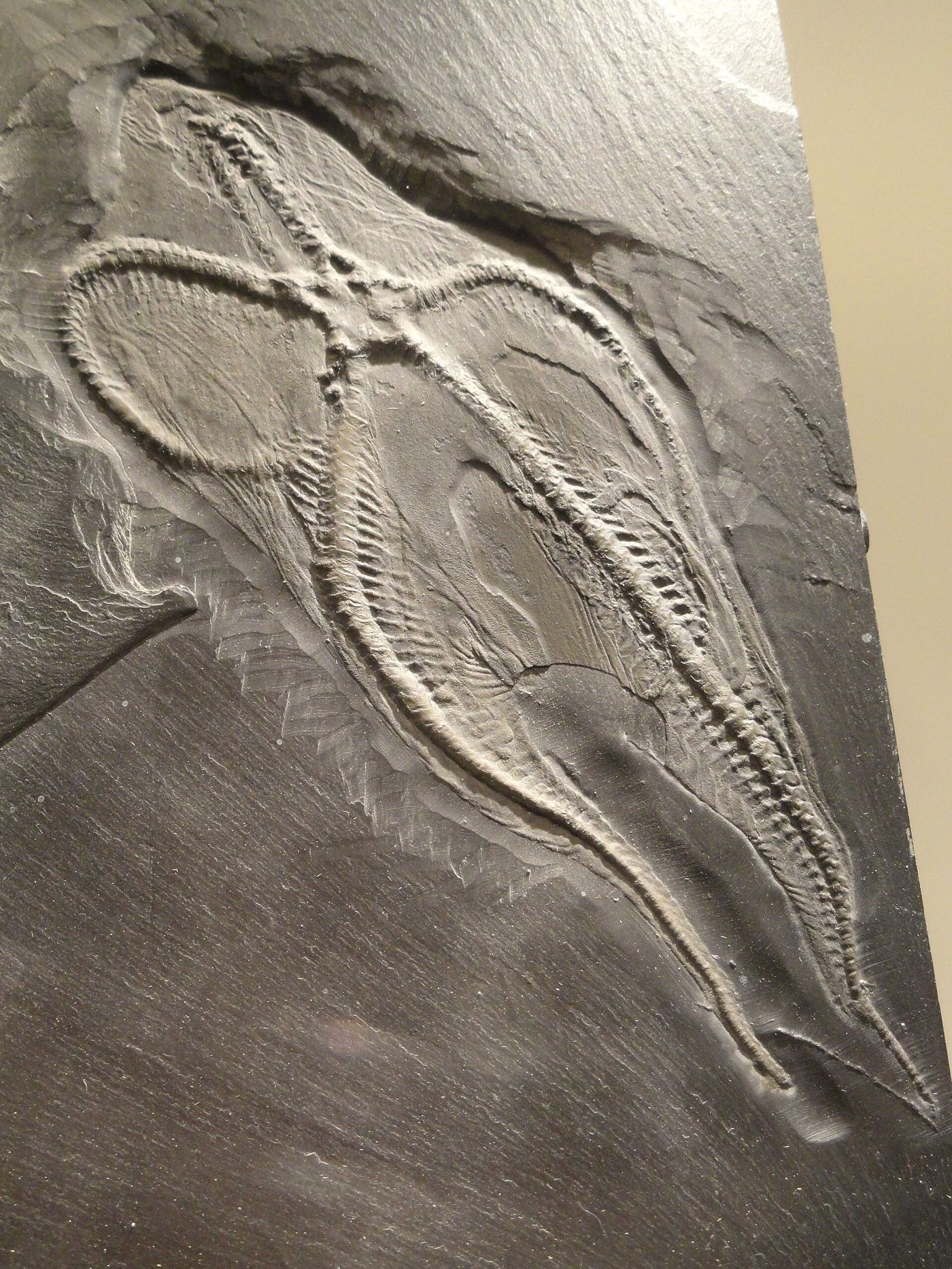
Tiny fossils found beside whale bones in southern Denmark show that brittle stars gathered around dead whales 9.5 million years ago, far earlier than scientists had realised. Researchers reported on 3 November 2026 that they had identified a new species of brittle star, Ophiura huebnerjenseni, from the Gram Clay Pit, a famous fossil site in Denmark. The tiny skeletal plates were recovered from sediment collected during a 2018 excavation of a beaked whale’s lower jaw and associated vertebrae. The discovery is the first fossil record of brittle stars associated with a whale fall, the name given to a whale carcass that sinks to the sea floor and feeds a whole community of scavengers. The work was published in the journal Neues Jahrbuch fur Geologie und Palaontologie.
What the Evidence Shows
The team included Mette Elstrup and Trine Sorensen from the Museum of Southern Jutland, working with Ben Thuy at the National Museum of Natural History in Luxembourg and Lea Numberger-Thuy in Germany. The species name honours Holger Hubner and Thomas Jensen, founders of the Wacken Open Air heavy metal festival, in recognition of their commitment to the event. Whale falls are remarkable ecosystems, because a single carcass can support worms, crustaceans, sharks and bacteria for decades, and the brittle stars found at Gram show that this ecological connection was already present in the Late Miocene. The researchers say the find fills a gap in the fossil record, proving that small scavengers were drawn to whale carcasses millions of years before the modern ocean took shape. The Gram Clay Pit continues to yield new species from its ancient sea floor. Reporting and analysis from sources such as National Science Foundation track the same developments, and specialists following the brittle stars at the ancient whale fall say the direction is now consistent across independent lines of evidence.
The Wider Context
The wider context is a research landscape in which replication and open data now decide reputations. Findings connected to the brittle stars at the ancient whale fall are being checked by independent groups with shared datasets, and the teams involved publish their methods in full so rivals can test every step. That discipline is slower than a headline cycle, but it is why results in this area increasingly survive first contact with scrutiny.
What Happens Next
What happens next in the story of the brittle stars at the ancient whale fall will be decided by follow-up work already under way: larger samples, longer observation and instruments that have not yet come online. The researchers involved are unusually united on one point, that the current results justify the next investment of time and money. Readers will not have to wait long for the first tests of that claim. You can follow related developments in our coverage of science.
There is a practical lesson in all of this for readers deciding what to do today. Start with the verified facts, be wary of anyone promising certainty, and prefer reversible steps while the evidence is still developing. Circumstances differ by country, income and personal situation, so general guidance should always be weighed against your own context before you act on it in any significant or lasting way.
