


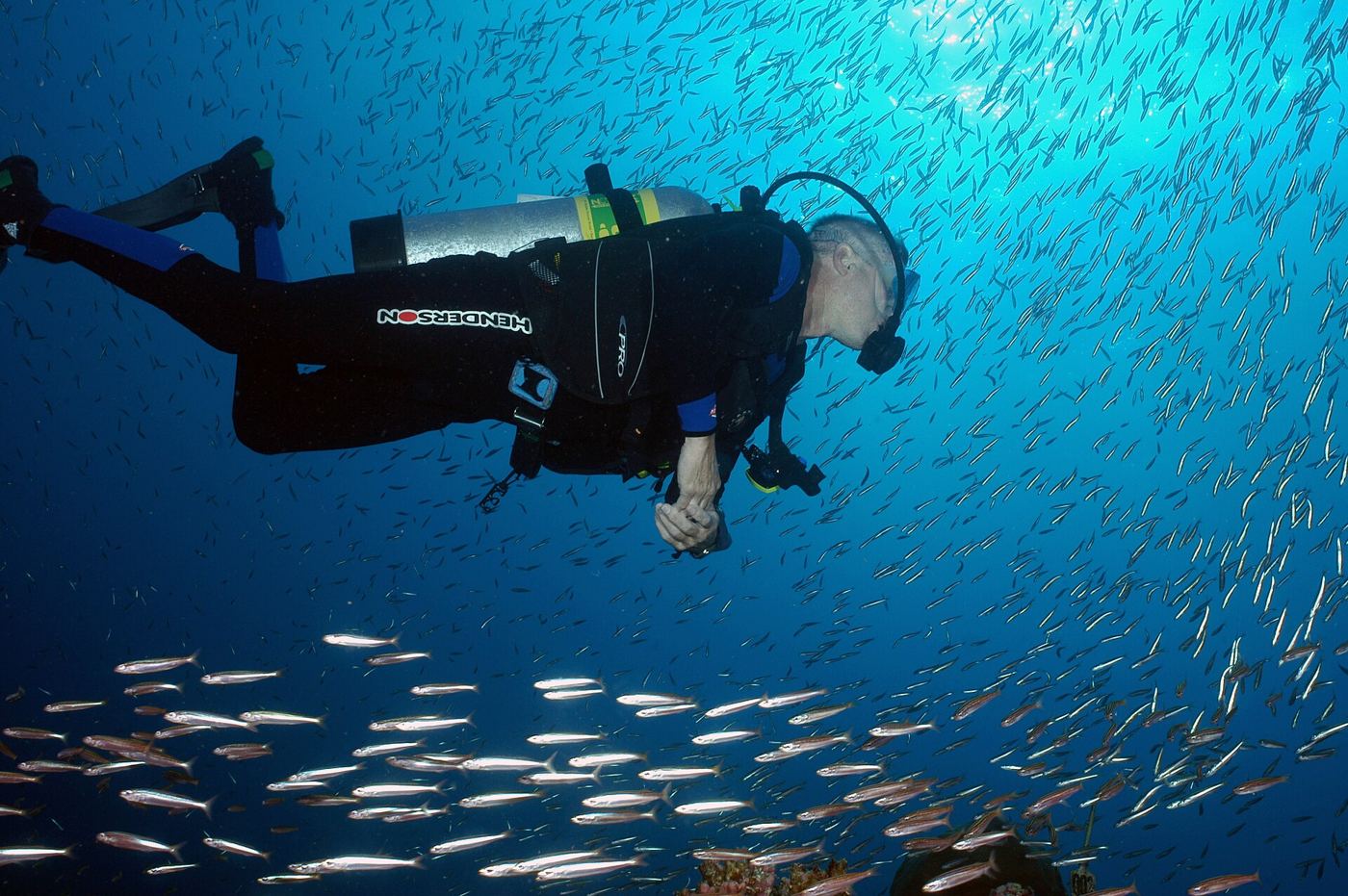
Beneath the surface of cool coastal seas, kelp forests once swayed like underwater woodlands. Their tall fronds sheltered young fish, fed sea urchins and abalone, and softened the force of waves reaching the shore. In many places those forests have thinned or vanished, cleared by warming water, storms and grazing animals that multiply when their predators disappear. Restoration teams are now working to bring them back. Divers collect healthy kelp, grow young plants in nurseries on land, and then attach them to rocky reefs where forests used to stand, returning week after week to check how the new growth is coping. Volunteers often form the backbone of these projects. Local divers, fishers and school groups help prepare lines of young kelp, monitor growth and record the species that return. Their involvement matters because a restored forest needs neighbours who value it long after the scientists have gone home.
What the Evidence Shows
Replanting kelp is slow, practical science. Teams first learn why a forest disappeared, because new plants will fail if the original problem remains. Where sea urchins have stripped a reef bare, divers may clear patches by hand so that young kelp can gain a foothold. Small experimental plots reveal which strains cope best with local temperatures. Progress is measured in returning life as much as in growing fronds, since crabs, snails and juvenile fish quickly move into restored patches. Each modest success teaches the next project something useful, and coastal communities are beginning to treat kelp as infrastructure worth protecting. Scientists are careful not to promise quick miracles. A replanted patch may take several seasons to become a true forest, and storms can undo a year of patient work in a single week. Even so, the direction of the evidence encourages them. Where kelp returns and survives, the water around it grows measurably livelier. Reporting and analysis from sources such as Nature track the same developments, and specialists following kelp forest restoration say the direction is now consistent across independent lines of evidence.
The Wider Context
The wider context is a research landscape in which replication and open data now decide reputations. Findings connected to kelp forest restoration are being checked by independent groups with shared datasets, and the teams involved publish their methods in full so rivals can test every step. That discipline is slower than a headline cycle, but it is why results in this area increasingly survive first contact with scrutiny.
What Happens Next
What happens next in the story of kelp forest restoration will be decided by follow-up work already under way: larger samples, longer observation and instruments that have not yet come online. The researchers involved are unusually united on one point, that the current results justify the next investment of time and money. Readers will not have to wait long for the first tests of that claim. You can follow related developments in our coverage of science.
None of this will be settled by a single announcement, study or product launch. The pattern to watch is accumulation: independent confirmations, honest reporting of failures and steady improvement in the underlying numbers. Readers who follow those signals, rather than the loudest claim of the week, will understand this subject better than most of the commentary surrounding it suggests is possible.
